
MOVING RESOURCE
Moving-Day Access and Parking Guide
What to check at both properties before the truck arrives.
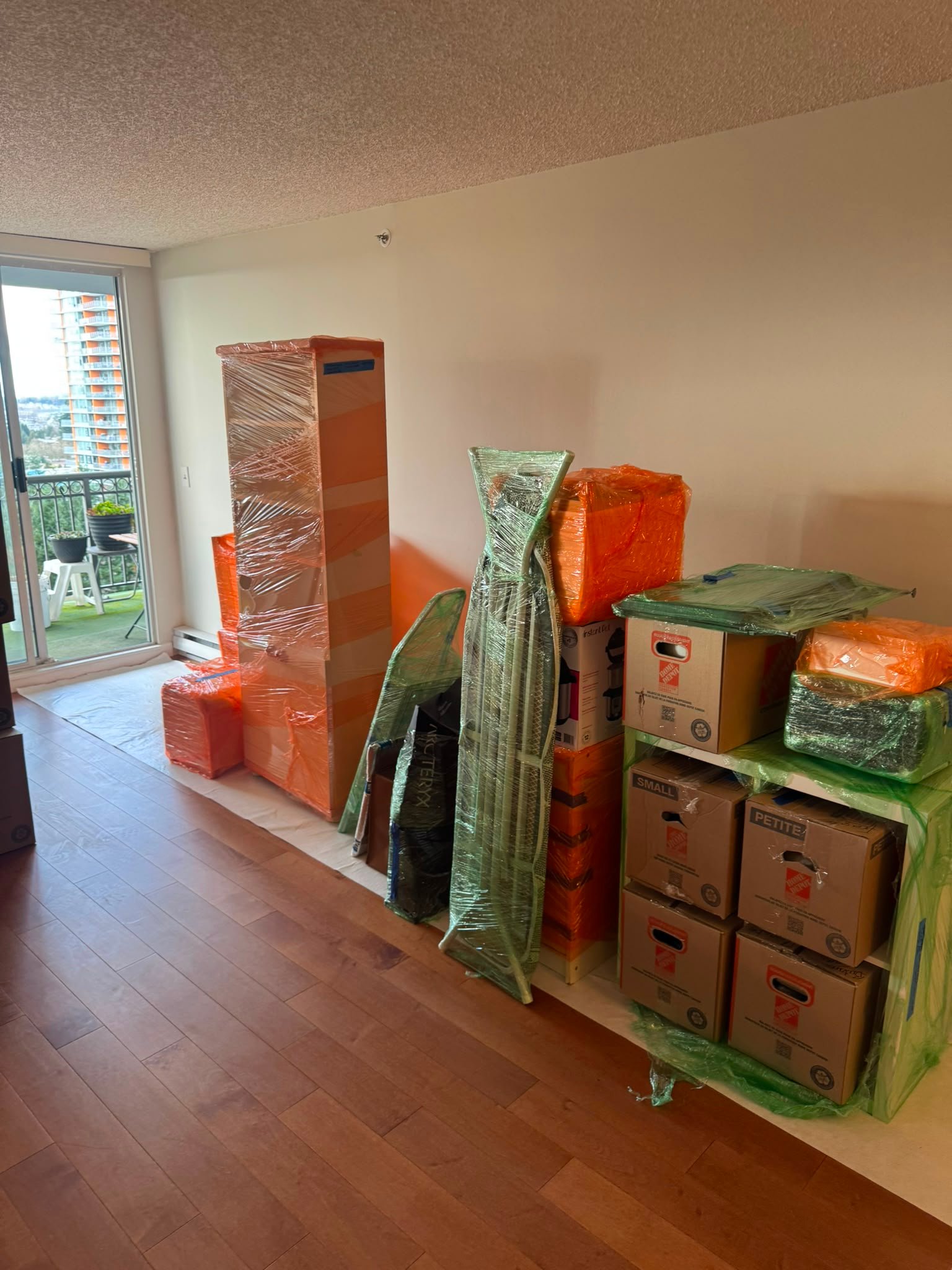
Access affects carrying distance, equipment, crew movement and timing. A complete quote should describe the route from the legal truck position to the belongings at the origin and then repeat the same review for the destination.
Walk the complete route
Start where the truck can legally stop. Follow the path through gates, driveways, ramps, stairs, lobbies, corridors, elevators and unit doors.
Record tight turns, low clearances, steep grades, long carries and any place where equipment use is restricted. Photos can help explain an unusual access point before the date.
Confirm parking and loading
Ask the property manager about loading bays, parkade height, reserved spaces and permitted hours. For street access, follow local signs, restrictions and any required municipal process.
Do not assume that an empty curb or visitor space will remain available. Build the request around authorized access and report any uncertainty before final scheduling.
Coordinate elevators and keys
Reserve required elevators at both properties and share the exact windows. Confirm how padding, service mode, fobs and keys are handled.
Choose an on-site contact who can open doors, meet management and solve access questions while another person directs room placement.
Keep the route ready
Clear boxes, vehicles, snow, hoses or other obstacles from private access areas when applicable. Protect pets and children away from the active path.
At a business or shared building, notify the right people so the moving route does not conflict with deliveries, appointments or building operations.
Report last-minute changes
Construction, a broken elevator, a new parking restriction or an altered key time can affect the plan. Contact the moving team as soon as the issue is known.
Reconfirm the destination as carefully as the origin. The move is not fully planned until access works at both ends.
Final checklist
- Legal truck position
- Parkade and loading measurements
- Stairs, elevators and long carries
- Reserved building windows
- Keys, fobs and property contacts
- Clear route at origin and destination